
Perimenopause Travel Nutrition: How to Hit Your Protein and Fiber Targets on the Road
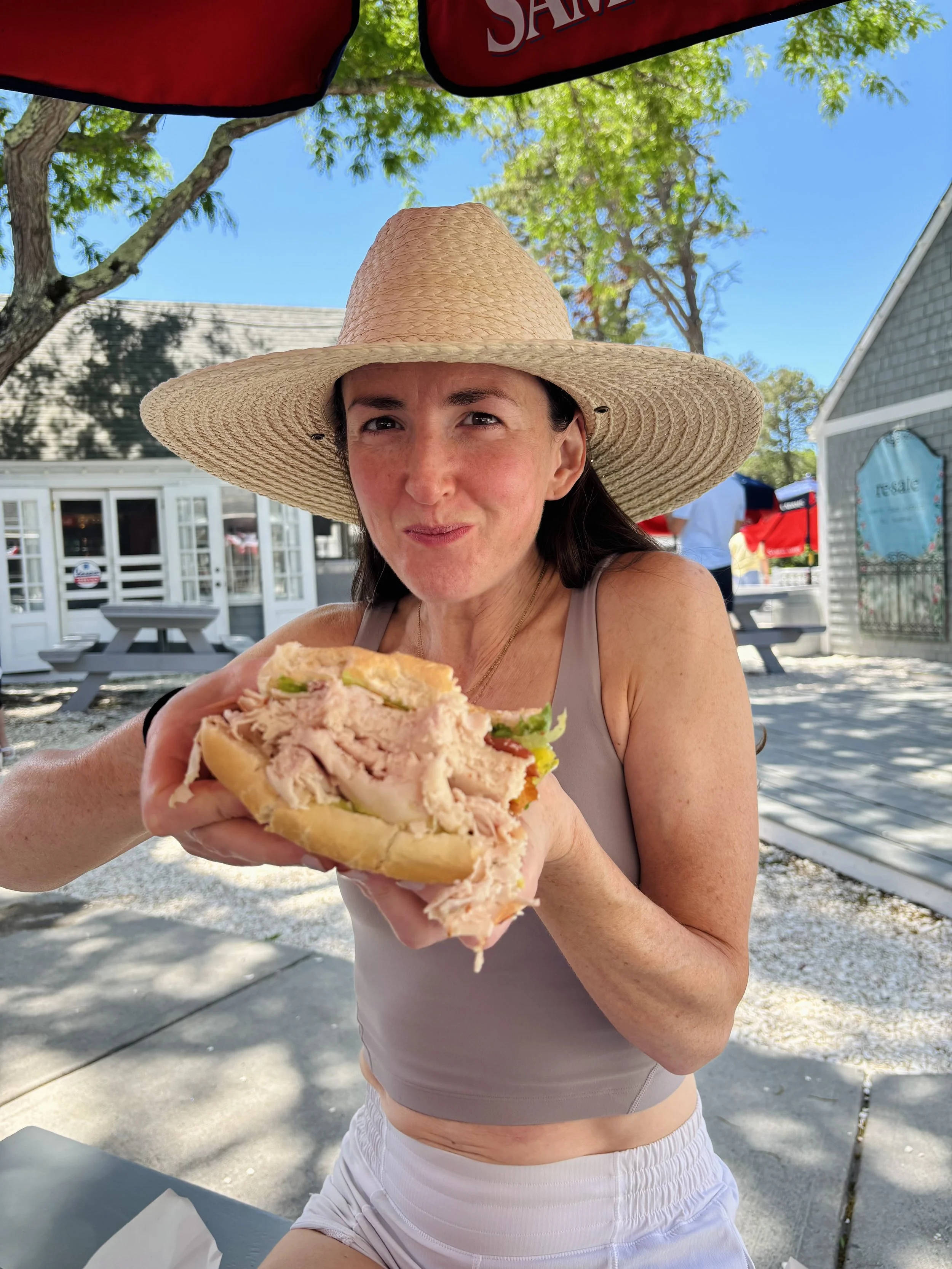
Eating well on the road doesn't require a perfect plan. It requires a few non-negotiable habits.
During perimenopause, protein and fiber aren't just good nutrition habits — they are doing critical clinical work.
Protein directly protects your skeletal muscle mass at the exact moment falling estrogen primes your body to lose it, keeping your metabolic rate firing. Meanwhile, fiber stabilizes your blood sugar and feeds the gut microbiome — essential for regulating mood, supporting sleep, and preventing the insulin spikes that drive visceral belly fat.
When you shortchange these two nutrients for even a few days, you don't just see it on the scale. You feel it in your energy, your sleep, your digestion, and your mood.
The 30/30 Framework: 30g protein per meal. 30g fiber per day. Travel doesn't change the targets — it just changes the logistics. Every tip below is designed to protect both, even when you're eating out of a cooler in a minivan.
Tip 01
Before you leave, stock your fridge at home
The morning you leave is not the time to figure out breakfast. Keep your fridge stocked with grab-and-go options before travel days even arrive.
Protein
- Hard-boiled eggs, cheese sticks, Greek yogurt, cottage cheese
Fiber pairing
- Grab an apple or a bag of raspberries on your way out the door
Getting out the door without skipping a meal sets the clinical tone for the whole trip.
Tip 02
If you're staying in a rental, hit the grocery store first
Before you even unpack your bags, stop at a local grocery store.
Protein
- Eggs, Greek yogurt, cottage cheese, rotisserie chicken
Fiber
- Avocados, pre-washed salad greens, berries, a can of black beans
Stocking your rental fridge immediately removes 90% of the nutrition friction for the rest of the trip.
Tip 03
Road trips — pack a cooler
A small cooler changes everything on a long drive, keeping you independent from whatever the gas station decides to carry.
Pack for protein
- String cheese, hard-boiled eggs, Greek yogurt cups
Pack for fiber
- Baby carrots, sliced cucumbers, almonds, apple slices — all high protein high fiber snacks that travel without refrigeration
Tip 04
Flying — pack protein and fiber before security
You can navigate airport security without sacrificing your targets.
Protein
- Protein powder in a small bag or pre-filled shaker gets through security — just add water after. For ready-to-drink, Orgain's 30g protein shake is a clean option once you land.
Fiber
- Pack single-serving bags of chia seeds, flax seeds, or sprouted pumpkin seeds — stir into oatmeal or yogurt at an airport café.
Tip 05
Hotels — request a mini-fridge
Most hotels will provide one if you ask in advance. Once you arrive, stock it within the first few hours: Greek yogurt, cottage cheese, string cheese, pre-cut fruit or vegetables. Available at almost any grocery or convenience store near your hotel.
Tip 06
Restaurants — order smart
Scan the menu online before you sit down so you aren't making decisions while starving. A few moves that work anywhere:
- Double the protein. Ask to double the meat, fish, or tofu on any salad, bowl, or entrée. Most restaurants do this without blinking.
- Swap the carb side for vegetables. Trade fries or rice for roasted broccoli, Brussels sprouts, or a house salad — an easy fiber win that also supports how to eat healthy while traveling.
- Look for legumes. Black beans, chickpeas, lentils, edamame — they pull double duty as high protein high fiber snacks built into your meal.
Tip 07
Don't let fiber disappear
Protein tends to get all the attention when traveling, but fiber matters just as much during perimenopause — gut health and stable blood sugar dictate how you feel, and both depend on consistent fiber intake.
Pack a small bag of chia seeds to stir into hotel yogurt, choose whole fruit over juice, order side salads alongside your restaurant protein, and keep roasted chickpeas or almonds in your bag. Fiber doesn't require a perfect kitchen. It just requires intention.
The goal isn't a perfect week. It's protein at every meal and fiber every day. The 30/30 Framework travels well when you do.
Building a nutrition plan that holds up in real life — not just when you're sitting at your own kitchen table — is exactly what I do.
Wondering if your insurance covers functional nutrition counseling?
Check your coverage